

You prepared everything. Passport, bank statements, birth certificate, diploma, police clearance. You show up to the consulate or the notary’s office, and then someone asks for a document you never considered. The property deed. The insurance policy. The power of attorney your parents signed three years ago. And it needs a certified translation in five days.
This is not a fringe scenario. Translation failures almost always happen around documents people assumed were fine as-is. The commonly flagged ones, birth certificates, academic transcripts, marriage certificates, are covered in every checklist. This article covers the ones that are not.
The Documents Nobody Puts on the Checklist
Most people walk into an international process thinking about the obvious paperwork. The documents below rarely appear on official checklists, but they surface consistently in visa rejections, estate disputes, property closings, and medical emergencies abroad. What they share is timing: the need for translation only becomes clear at a moment when there is no time left to get it done.
Insurance Policies and Claim Forms

A medical emergency abroad turns into a financial crisis when the hospital and your insurer operate in different languages. Health insurance policy documents, international claim forms, and benefit letters all need certified translation before a foreign hospital or insurance provider will process them.
The same applies to life insurance payouts involving beneficiaries in another country. The policy, death certificate, and claim documents must all be translated into the language of the jurisdiction handling the claim. People learn this at the worst possible time.
Power of Attorney
A power of attorney (POA) executed in one country is frequently unenforceable in another without a certified translation and, depending on the destination country, an apostille or notarial authentication on top of that.
This matters most in urgent situations: a parent who becomes incapacitated while living abroad, a business partner who needs to sign on someone’s behalf in a foreign jurisdiction, or an expat granting authority to a family member back home. The POA exists precisely for emergencies, and an untranslated one can be useless in the moment it is needed most.
Wills, Probate Documents, and Estate Inventories
Settling an estate that crosses borders requires translating several documents at once, often within legal deadlines set by the probate court:
- The will itself
- Probate court orders
- Asset inventories and property valuations
- Bank and financial account records held in another country
Many countries will not distribute an estate, release frozen assets, or transfer property title without certified translations of all relevant documents. These timelines do not pause for grief.
Property Deeds and Rental Agreements
Foreign nationals buying, renting, or inheriting property abroad consistently underestimate the translation requirements involved. A land registry will not process a deed in a foreign language. A notary cannot witness a signing they cannot legally confirm both parties understand. A landlord or management company in another jurisdiction may require a translated tenancy agreement before accepting payment or granting access.
This applies in the other direction too. Owners of foreign property who need to grant a local representative authority, list the property, or resolve a dispute will need translated documentation to engage local legal or real estate systems.
Documents That Catch Travelers and Relocators Off Guard
Relocating or traveling internationally involves a category of documents that feel purely domestic until they cross a border. These are documents tied to daily life at home, driving, owning a car, traveling with a pet, that suddenly require certified translation the moment a foreign authority or customs service gets involved.
Driver’s License and Vehicle Documents
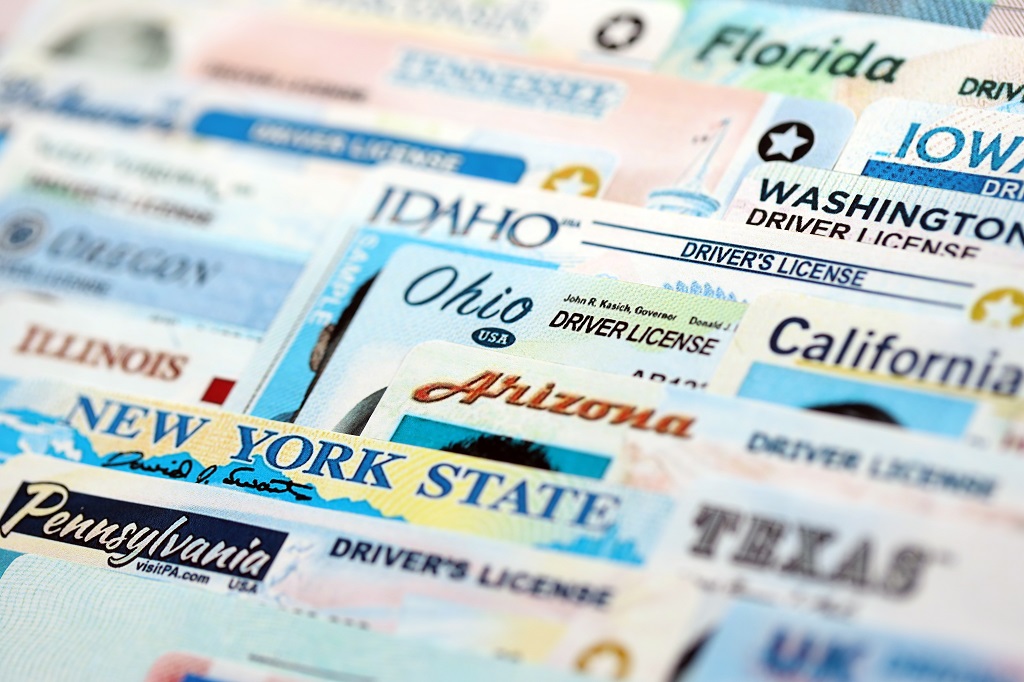
An International Driving Permit functions as a translation of a domestic driver’s license, but it does not replace a full license translation in every country. When shipping a vehicle internationally, customs authorities typically require a translated vehicle registration certificate and, in some cases, translated proof of insurance.
If you are involved in a road accident abroad, a translated insurance certificate is often required to file a claim or satisfy local police reporting requirements. This is a document most drivers carry in a folder in the glove compartment and never think about until something goes wrong.
Pet Health Certificates and Veterinary Records
Relocating internationally with a pet involves a chain of documents that must meet the destination country’s language requirements:
| Document | Why It Needs Translation |
| Vaccination records | Entry requirement for most countries |
| Rabies titer test results | Required by EU, UK, Australia, and others |
| Veterinary health certificate | Must be issued in destination country’s language |
| Microchip documentation | Often required alongside health certificate |
Border customs services have turned animals away for missing or untranslated paperwork. In some cases, quarantine or return shipping follows. This is a category where people assume the vet has handled everything and discover otherwise at the airport.
Business Documents People Assume Are Universal
English has become a working language across many industries, which creates a false sense that business documents function across borders without modification. In practice, the legal enforceability of a contract, license, or agreement is determined by the jurisdiction where it will be used, not the language it was drafted in.
Employment Contracts and NDAs for Cross-Border Hires

In many countries, labor law requires that employment contracts be provided in the local language to be legally binding. A company hiring someone in Germany, France, or Spain while issuing an English-only contract is operating in a legal gray zone at best.
Non-disclosure agreements face a parallel problem. An NDA that has never been translated into the language of the jurisdiction where a dispute arises may be difficult or impossible to enforce in that court.
Professional Licenses and Business Certifications
A licensed doctor, engineer, architect, or teacher relocating abroad cannot simply present their home-country credentials and begin practicing. Professional licensing bodies in the destination country require translated and authenticated copies of:
- Professional degree or diploma
- Licensing board certification
- Employment history or references, if in a foreign language
- Any continuing education records required for equivalency review
The translation itself is often just the first step. Authentication, apostille, and equivalency assessment can add months to the process. Starting it late means starting work late.
Working with a professional document translation service that understands jurisdiction-specific authentication requirements, and not just the language pair, is what separates a straightforward process from a costly one. Translating the text accurately is necessary but not sufficient if the document format or certification type does not meet what the receiving authority requires.
Why the Timing Is Everything
Certified translation takes between two and five business days under normal conditions. Add notarization and the timeline extends. Apostille requirements, which vary by country and were flagged above for POA documents, can add one to four weeks depending on the issuing authority. Some jurisdictions require the apostille before the translation, others after.
| Step | Typical Timeframe |
| Certified translation | 2-5 business days |
| Notarization | 1-3 additional business days |
| Apostille (domestic) | 1-4 weeks depending on country |
| Rush processing (if available) | 2-3x standard cost |
Visa deadlines, property closing dates, probate windows, and employment start dates do not accommodate last-minute translation chains. Rush fees routinely double or triple standard rates, and some documents simply cannot be expedited because government authentication bodies do not offer rush services.
The solution is simple but requires discipline: before any international transaction, relocation, visa application, or estate matter, complete a full document inventory. Identify every document that crosses a language border, including the ones that seem administrative and routine. Those are consistently the ones that cause the delays.
A Practical Checklist Before Any Major International Process

Before you submit, sign, or travel, verify translation status for:
- All insurance policies relevant to the destination country
- Any power of attorney that may need to be exercised abroad
- Wills or estate documents if an international asset is involved
- Property deeds, rental agreements, and land registry documents
- Driver’s license, vehicle registration, and proof of insurance if driving or shipping a car
- Pet health and vaccination records if traveling with an animal
- Employment contracts and professional licenses if working in a new country
The documents you overlook are the ones that cost the most to fix under pressure.